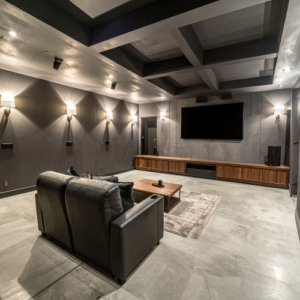
More Than Garage Floors: Everywhere Outback Concrete Coatings Shows Up
Blog More Than Garage Floors: Everywhere Outback Concrete Coatings Shows Up Here’s a full look at where we work, whether it’s in your home, your
A driveway isn’t just a slab that sits outside, it’s a slab that carries thousands of pounds of moving weight, day in and day out, on top of everything else a patio or walkway deals with. That combination is what breaks driveways down faster than almost any other concrete on your property.
Vehicle loading stresses a slab in ways foot traffic never does. Add Indiana’s freeze-thaw cycling, water gets into hairline cracks and pore spaces, freezes, expands, and works those cracks wider every winter, and you’ve got a surface under constant structural pressure. Then there’s de-icing salt, which doesn’t just sit on top of concrete; it drives the freeze-thaw damage deeper and causes the surface scaling and pitting you see on driveways that have never been sealed or protected.
That’s why we don’t treat driveways like an afterthought version of a patio job. Whatever we recommend, replacement, resurfacing, or a protective coating system, it’s chosen because it’s built to carry vehicle loads and survive an Indiana winter, not just look good the day it’s installed.
We’d rather tell you the truth than sell you the easiest option. Before we quote anything, we look at what’s actually going on with your slab.
If your driveway is structurally sound no major heaving, no deep or spreading cracks, a stable subbase, a coating or resurfacing system is usually the right call. It restores the surface, adds slip resistance, and protects the concrete going forward for a fraction of what a full tear-out costs.
If your slab has heaved, settled unevenly, or cracked beyond what resurfacing can hide, we’ll tell you that too. Some driveways have reached the end of their useful life, structurally compromised, broken up by tree roots, or poured years ago without proper subbase compaction, and no surface treatment is going to fix that for good. In those cases, full replacement is the honest recommendation, and it’s what we’ll walk you through: complete removal, subbase correction, and a new slab built to the grade and slope your property actually needs.
Every driveway quote starts with an honest assessment, not a sales pitch.

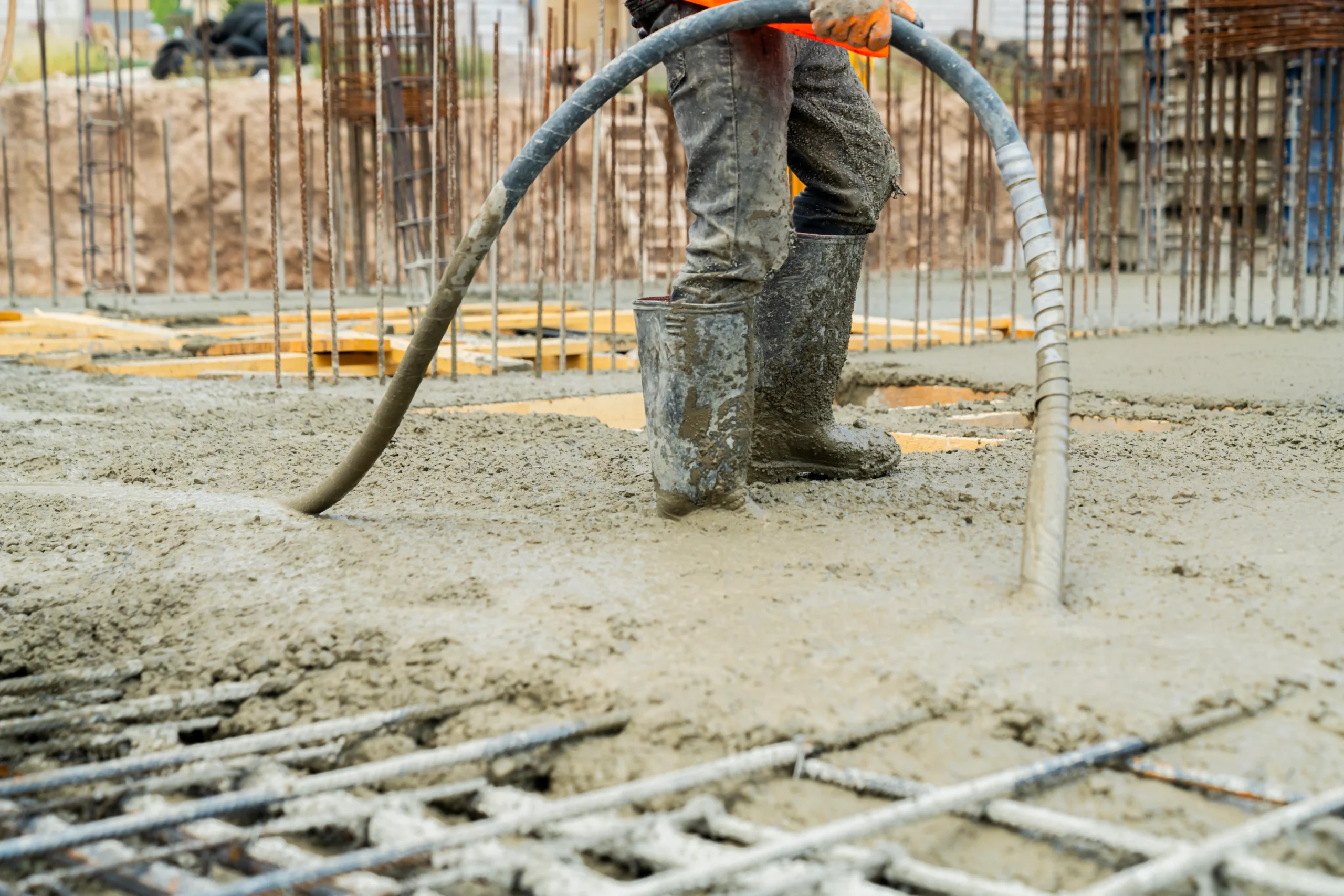
Every project starts with a site evaluation. We look at the concrete's structural condition, the pattern and depth of cracking, the subbase condition, drainage, and the intended use of the surface. If replacement is the right answer, we say so. If it isn't, we say that to
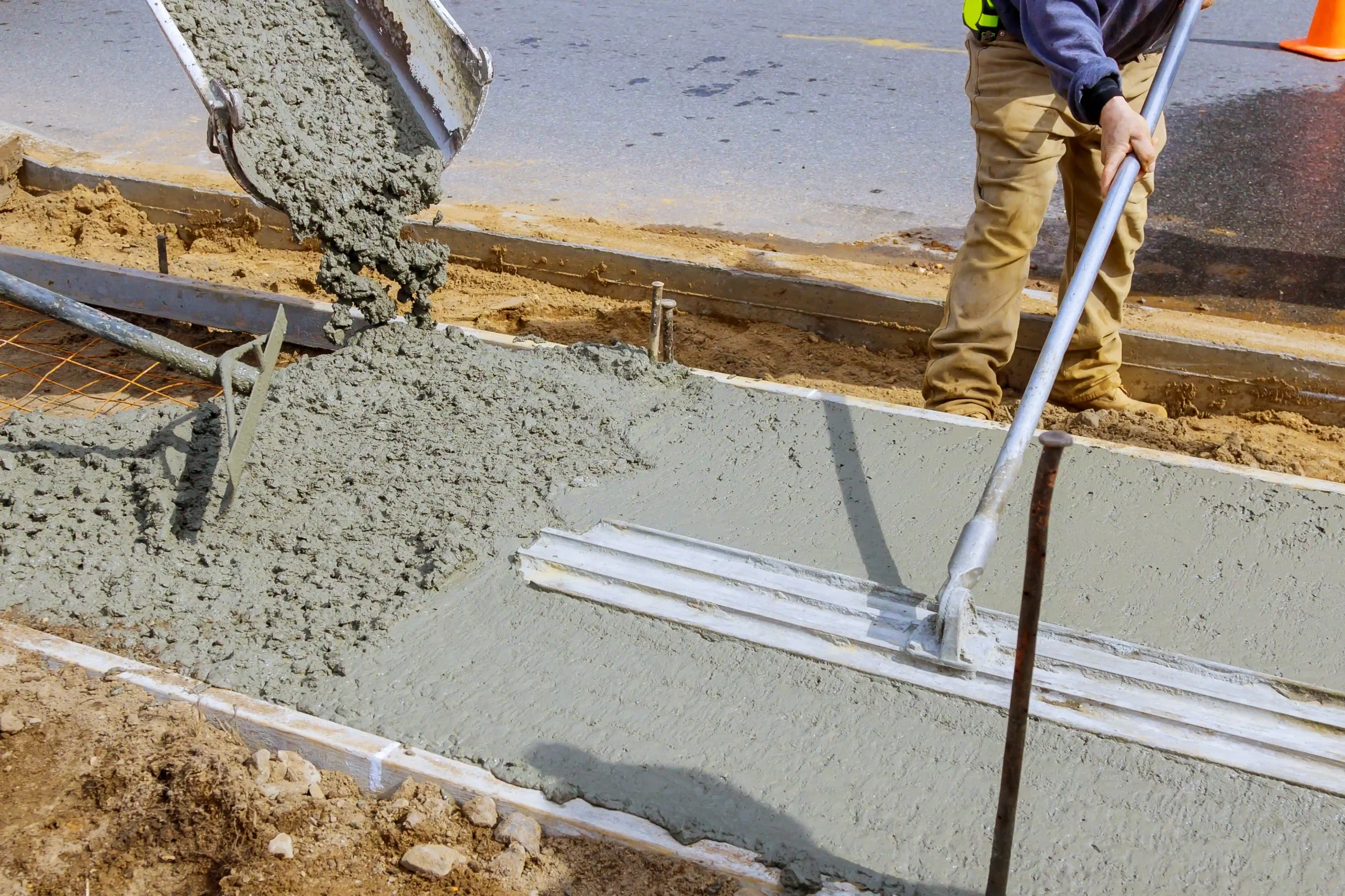
Clean, professional removal of the existing slab. We haul everything off-site. The subbase is evaluated and prepared, compacted, graded, and addressed where necessary, before any new concrete goes down. This step is where most concrete replacements cut corners. We do
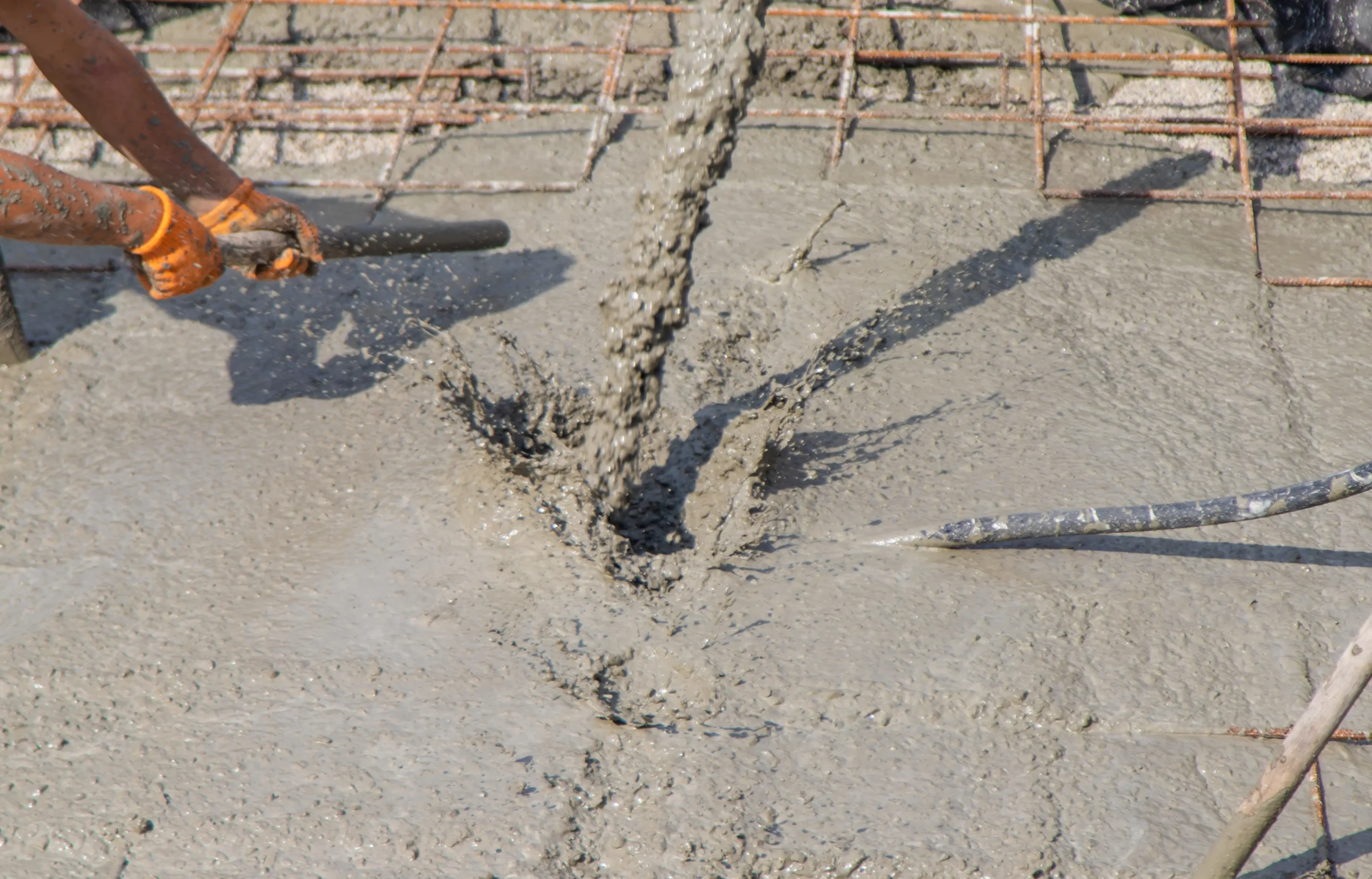
Forms are set to the correct grade, slope, and dimension. Proper drainage slope is not optional, it's engineered into every project. Control joints are planned and placed to manage where the concrete will crack as it cures and ages, rather than leaving that to chance.
Indiana isn’t a gentle climate for a slab that sits outside year-round under a car. We get real winters, real freeze-thaw cycling, and de-icing salt that’s harder on unprotected concrete than almost anything else it will encounter.
Our driveway systems are built specifically with that in mind:
It depends on what’s underneath. If the slab is structurally sound, a coating or resurfacing system is usually the smarter, more affordable option. If it’s heaved, badly cracked, or the subbase has failed, coating over it just hides the problem temporarily; we’ll tell you honestly which situation you’re in.
A properly prepared subbase and correctly engineered slab are built to carry daily vehicle loads. Most driveway cracking comes from sub-base failure or freeze-thaw damage, not the concrete itself, which is why we don’t skip subbase compaction and grading.
Timelines depend on whether it’s a coating/resurfacing project or a full replacement pour. Coating and resurfacing systems are often drivable in about a day thanks to rapid-cure materials; a new poured slab needs proper cure time before it can handle vehicle weight. We’ll give you a specific timeline for your project during your quote.
Bare, unprotected concrete is vulnerable to salt scaling and pitting over time. Our systems are chosen specifically to resist that kind of winter damage.
No. Proper drainage slope is engineered into every project, not left to chance. That’s one of the most common driveway complaints we fix that other contractors created in the first place.
Yes. Part of our assessment is identifying what caused the original damage, tree roots, poor compaction, drainage issues, so we can correct it during removal and prep, not just pour a new slab over the same problem.
Routine sweeping and occasional hosing is typically all it needs. Because our protective systems are non-porous, they don’t require the annual sealing that bare concrete does.
Every project is backed by our lifetime warranty and No Peel Promise.

Blog More Than Garage Floors: Everywhere Outback Concrete Coatings Shows Up Here’s a full look at where we work, whether it’s in your home, your

Blog The Armor Core System™: What It Is, and Why It Outperforms a Standard Epoxy Floor Here’s what’s in it, why the layered approach outperforms
Blog Rubaroc Vs. Polyaspartic: Which is right for your Pool Deck? Thinking about Rubaroc rubber surfacing for your pool deck or patio? See how it

Real Jobs, Real Surfaces, Real Results: Our Featured Projects So Far We’re kicking off a new Featured Projects series to show the community exactly what

Outback Concrete Coatings Now Serves Indianapolis been coating garage floors, basements, patios, driveways, and commercial floors across northeast Indiana and the surrounding region for years

The Last Few Weeks Before School Starts. Use Them. There’s a specific kind of pressure that hits every August. The calendar fills up fast —